The three specs, in the order they actually matter
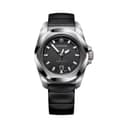
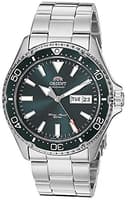
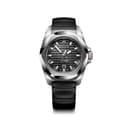
1. The crystal, because this is the part you look at. A case rating protects the movement; the crystal protects your opinion of the watch. Sapphire is far harder than mineral glass and shrugs off the scuffs that make a watch look old. On this page exactly one pick publishes sapphire — the Orient Kamasu — and that is the single most useful fact here. The Victorinox references do not publish a crystal material at all, which is a finding about Victorinox’s spec sheets and is recorded as “Not published” rather than guessed; what the I.N.O.X. description does name is an anti-scratch treatment on the bezel, which is a different part of the watch.
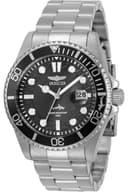
2. The case rating, and how it is sealed. Five of the six publish 200m. More useful than the number is the crown and the caseback: Victorinox publishes a screw-in caseback on both I.N.O.X. references, and the Invicta and Orient listings publish a screw-down crown. A screwed crown is the difference between a watch that survives being worn in the sea and one that survives being rained on. What water resistance really means has the full ladder, and best waterproof watches is the page if water is the whole question.
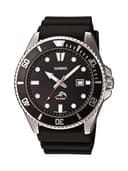
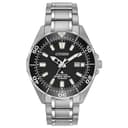
3. The strap, which is the part that will actually fail. Both Victorinox picks ship on a rubber bracelet and publish a 21mm lug width, so a replacement is a cheap off-the-shelf part rather than a trip to a specialist. The Casio Duro is on resin. The Citizen is on a Super Titanium bracelet, and the Invicta and Orient on steel. Nothing on this page ships on leather, and that is deliberate: leather is the first thing to go on a watch that gets wet repeatedly, which is exactly why our leather strap roundup is a different page for a different recipient.
Why the cheapest watch here is not the weakest
The Casio Duro MDV106 is the watch to understand if you want to know how this category really works. It publishes a 200m rating and a rotating dive bezel, which is the same headline figure as watches on this page costing ten times more, and it gets there by spending nothing on the parts you cannot see: the finishing is plain, the strap is resin and the crystal is mineral. For a recipient who is hard on a watch and does not care what it cost, that trade is the correct one, and it is why the Duro has a reputation its price does not explain.
The honest counterpoint is the other end of the page. Spending more here buys titanium and a warranty, not a deeper rating. The Citizen Promaster titanium diver is 44mm of Super Titanium rather than steel, which matters because 44mm of steel is heavy enough that people stop wearing it; Citizen’s own technology page claims Super Titanium is “more than five times harder than stainless steel, at nearly half the weight.” Both Victorinox picks publish a five-year warranty. Those are real reasons to spend more. A deeper rating is not one of them — 200m is the ceiling on this page and on almost every page like it.
The one with a mechanical movement, and why it is ranked last
The I.N.O.X. Automatic is the same 41mm 200m case as our top pick with a Swiss self-winding movement inside instead of a quartz one, and Victorinox publishes a deployant clasp, a guilloche dial and a 12mm case height for it. It is the most expensive watch here and it is ranked last on purpose, because a mechanical movement is a liability in a watch chosen for toughness: it stops if it sits unworn for two days, it is the one part of a rugged watch that eventually needs servicing, and it keeps worse time than the Casio at a tenth of the price. How often a watch needs servicing puts a real number on that, and best automatic dive watches is the page if a self-winding movement is the point.
The one to skip — and why
Skip anything on this page at 44mm for a slim wrist, however tough it is. The Casio Duro and the Citizen Promaster are both 44mm, and a watch that overhangs the wrist gets left in a drawer no matter what it survives — which makes it the least rugged watch in the house. The 41mm Victorinox references and the 41.8mm Orient are the wearable end of this page; measure first with our watch size guide, and if the wrist is genuinely narrow, start from watches for small wrists instead and accept a shallower rating.