Watch Brands & Types Compared
Stuck between two options? The head-to-heads that decide it — Seiko vs Citizen, Casio vs Timex, quartz vs automatic, watch vs smartwatch.
Sometimes choosing a watch gift comes down to a single either/or: two brands you keep seeing, or two types you don’t quite understand the difference between. This section settles those head-to-heads in plain English, each with a clear “buy this one if…” verdict so you don’t leave still on the fence.
The brand comparisons cover the names you’ll actually be choosing between. Seiko vs Citizenis the big one — the two giants of affordable, reliable watches, where the real difference is automatic (Seiko’s self-winding movements) versus solar (Citizen’s light-powered Eco-Drive). Add a third contender with Seiko vs Citizen vs Bulova, where Bulova brings bold design and heritage to the table. And for a budget gift, Casio vs Timexdecides between tough, digital, cult-classic Casio and friendly, analog, endlessly-restrappable Timex. If you’d rather see all the brands at once, our best watch brands for a gift guide lays out what each is known for and who it suits, and the best watch brands for women does the same job for a smaller case, sorting the watch companies, the design houses and the jewelry labels by what each is actually selling. At the opposite end of the budget, Timex vs Seiko settles the cheapest fork there is: a cheerful American classic for pocket money, or a Japanese watch that builds its own movements.
The type comparisons tackle the concepts that trip people up. Quartz vs automaticis the single most useful thing to understand before buying a watch as a gift: quartz is precise and effortless, automatic is mechanical and special but stops if it isn’t worn. Getting that distinction right does more to make a watch gift land than price or brand. And watch vs smartwatchis the honest comparison you need before deciding between a classic watch and a smartwatch — different gifts for different people, and we don’t pretend otherwise. (That’s the only smartwatch page on the site; our focus is classic watch gifts.)
Every comparison here is built the same way: a direct answer up top, a plain side-by-side table drawn from the manufacturers’ own specifications, and a verdict that splits by who you’re buying forrather than declaring a single winner — because for most of these match-ups there isn’t one. Each also carries a live buy link for the watch we’d actually recommend on each side, so you can act on the decision the moment you’ve made it.
We compare on published, checkable facts, not on hands-on testing we didn’t do — the specs come from the brands’ documentation and the prices are verified live and dated. Where we’d skip an option, we say so and explain why. You can read the full standard on our methodology page.
Pick the comparison that matches your dilemma, get your answer, and then head to the picks — the brand and type guides here feed straight into the recipient, occasion and budget roundups, so you’re never more than a click from a real watch to buy.
One fork added in October 2026 is unlike the rest of this hub, because both names belong to the same manufacturer: Fossil vs Michael Kors. Michael Kors watches are designed and built under licence by Fossil Group, and once you put six references side by side the movement, crystal and water-resistance columns are identical across both brands — so the price gap is design and name rather than hardware. That is a different kind of comparison from Seiko against Citizen, and it needed saying plainly.
Every comparison in this section: Seiko vs Citizen, Citizen vs Bulova, Seiko vs Orient, Orient vs Citizen, Timex vs Seiko, Casio vs Timex, Invicta vs Seiko, Fossil vs Michael Kors, Tissot vs Seiko and Tissot vs Hamilton brand against brand; the three-way Seiko vs Citizen vs Casio and Seiko vs Citizen vs Bulova; and the type questions — dress vs dive, dive vs field, G-Shock vs Timex Ironman, quartz vs automatic, automatic vs solar, Eco-Drive vs quartz and watch vs smartwatch.
One of these forks is not about brands or movements at all. Watch cases are made of two metals at gift prices, and titanium vs stainless steel settles it with the figures both metals publish: titanium is a little over half the density of steel and is the metal usually suggested when a bracelet leaves a mark on someone’s skin, while steel has no price floor and therefore buys a better watch for the same money. It is the page to read before you pay a premium for a material.
Everything in Compare
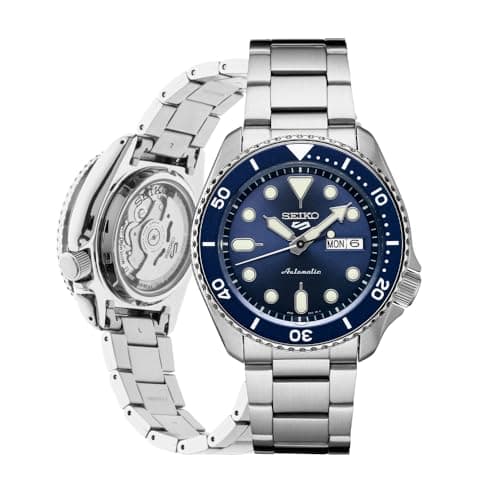
The Best Watch Brands for a Gift
A plain-English guide to the brands worth gifting — what each is known for, and who each one suits.
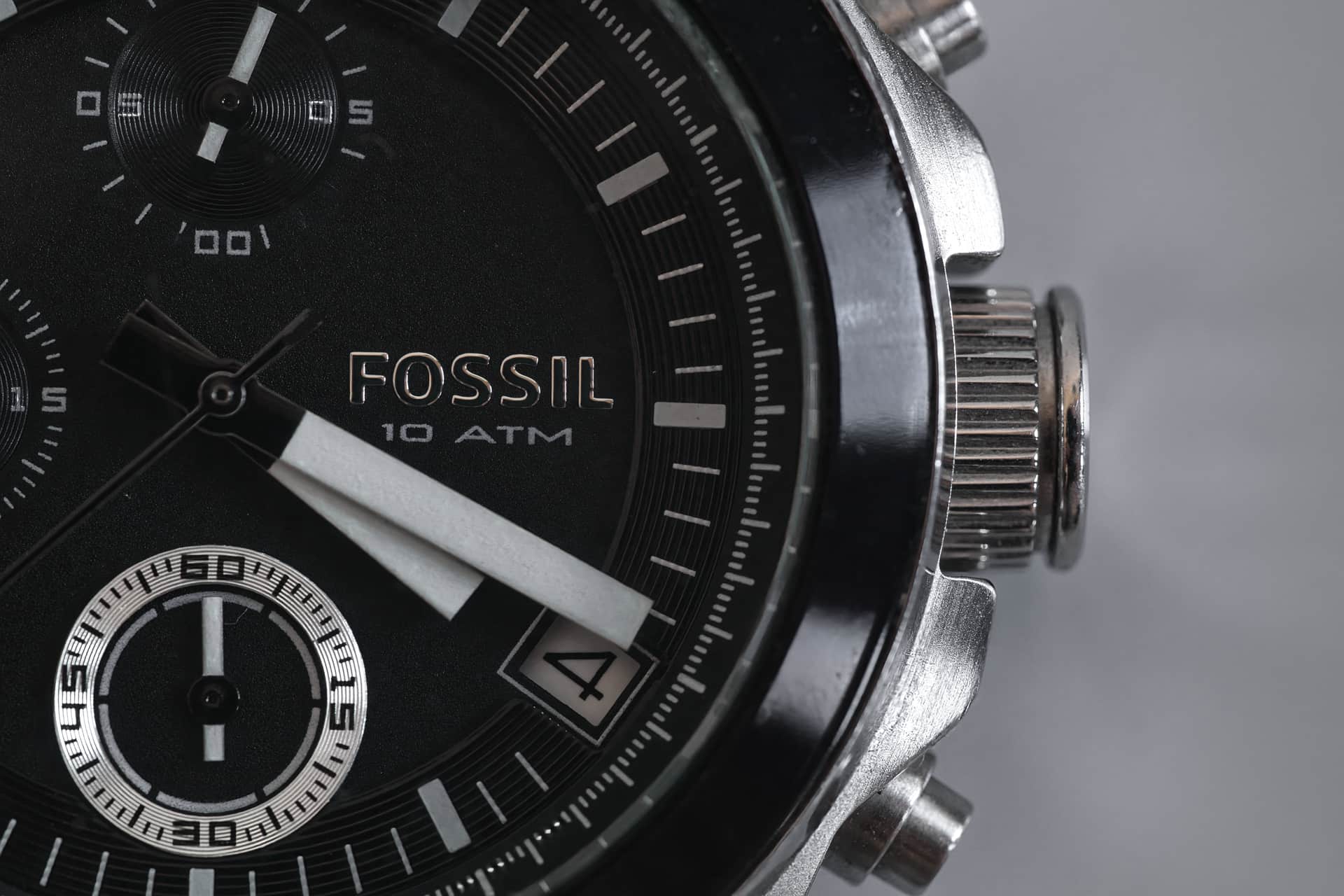
Seiko vs Citizen: Which to Gift?
The two giants of affordable watches, compared for a gift — automatic vs solar, and which suits your recipient.
Seiko vs Citizen vs Bulova
Three trusted names, three different strengths — a quick way to decide between them for a gift.
Casio vs Timex: The Budget Gift Question
The two best budget watch brands, head to head — which makes the better inexpensive gift, and for whom.

Watch or Smartwatch: Which Is the Better Gift?
The one honest comparison you need before deciding between a classic watch and a smartwatch as a gift.
Quartz vs Automatic: Which to Gift?
The single most useful thing to understand before buying a watch as a gift — which movement suits the person.
Seiko vs Orient: Which to Gift?
Two Japanese automatic makers, one family (Orient is Seiko-owned) — which affordable mechanical watch is the better gift.
Citizen vs Bulova: Which to Gift?
Solar-powered practicality versus bold design and heritage — which of these two American-favorite brands suits your recipient.
Automatic vs Solar: Which to Gift?
A self-winding mechanical watch or a light-powered one that never needs a battery — which is the better, lower-fuss gift.

Dive Watch vs Field Watch: Which to Gift?
Two of the most giftable watch styles compared — rugged water-ready diver or lightweight legible field watch, and who each suits.
Invicta vs Seiko: Which to Gift?
Two affordable automatic divers, one using the other's engine — how the budget Invicta Pro Diver stacks up against the Seiko 5, and which is the better gift.
G-Shock vs Timex Ironman: Which to Gift?
The two great everyday tough watches, head to head — the near-indestructible Casio G-Shock against the lightweight Timex Ironman, and who each suits.
Tissot vs Hamilton: Which Swiss to Gift?
Two Swiss names within reach of a gift budget — the versatile Tissot PRX against the military-heritage Hamilton Khaki Field, and which suits your recipient.
Eco-Drive vs Quartz: Which to Gift?
Both are accurate and low-fuss, but one never needs a battery — Citizen's light-powered Eco-Drive against a standard battery quartz, for a gift.
Dress Watch vs Dive Watch: Which to Gift?
The two watches most people reach for as a gift — a slim dress watch for a suit or a rugged diver for everyday — compared on look, versatility and who each suits.
Orient vs Citizen: Which to Gift?
The two Japanese brands people cross-shop after they have ruled out Seiko — one makes its own mechanical movements, the other makes watches that run on light. Which suits your recipient.
Tissot vs Seiko: Swiss or Japanese?
The first real fork at the top of a gift budget: a Swiss name with a sapphire crystal, or a Japanese watch that gives you more machine for the money. What each one actually buys.
Seiko vs Citizen vs Casio: Which to Gift?
The three Japanese names a gift buyer actually meets — a real automatic, a solar watch that never needs a battery, or something nearly indestructible. How to choose.

The Best Watch Brands for Women
Nine brands worth gifting a woman, sorted by what each one is actually selling — a watch company, a design house or a jewelry label — plus the case size and band questions that decide it.
Our top pick
Citizen Corso Eco-Drive (Women's)
Timex vs Seiko: Which to Gift?
The fork at the bottom of a watch budget: a cheerful American classic for pocket money, or a Japanese watch that makes its own movements. Model against model, with live prices.
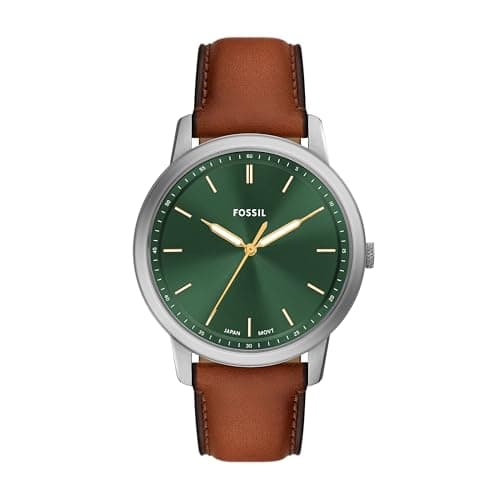
Fossil vs Michael Kors: Which to Gift?
Two brands, one company - Michael Kors watches are built under license by Fossil Group. What you are actually paying the difference for, three picks each, live prices.
Our top pick
Fossil Minimalist FS6094
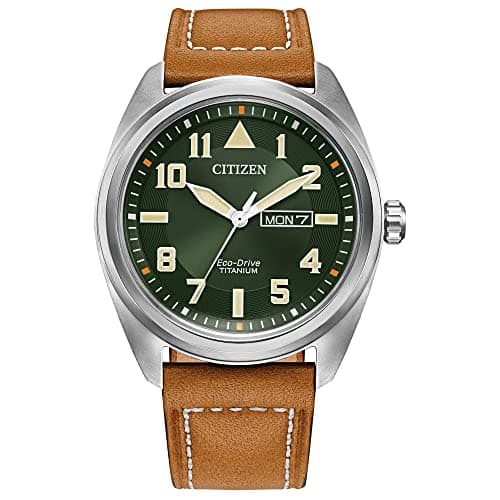
Titanium vs Stainless Steel Watch: Which to Buy?
Half the weight, a different kind of scratch, and a real answer on nickel. The published numbers for both metals, what the difference costs, and three picks a side.
Our top pick
Citizen Garrison Super Titanium BM8560-02X