What Your Money Actually Buys
The honest version of value: what changes about a watch at $100, $200 and $500, which inexpensive watches genuinely read as expensive, and how a second strap makes a modest budget land bigger.
Every other page on this site answers “what can I buy for my budget?” This one answers the question underneath it: what does that money actually get me? Because the honest answer is not what most gift guides imply. Price and quality are related in watches, but they are not the same line — a lot of what makes a watch feel expensive costs the maker almost nothing, and a lot of what you pay for at the top of a gift budget is invisible on the wrist.
Under $100 you are buying a quartz watch with an acrylic or mineral crystal, a printed dial, and a resin, fabric or leather strap. Acrylic scratches easily — though it also polishes out, which sapphire does not. Water resistance at this end is usually 30m or 50m, which means rain and hand-washing rather than swimming. What surprises people is that this tier also contains the single best bargain in watches: a genuine Japanese self-winding automatic movement, in a 200m-rated dive case, sits under $100. Cheap is not the same as bad here. It is just narrow — you get one good idea per watch instead of several.
Between $100 and $200 the specs start to compound. This is where a sapphire crystal first shows up on a mainstream everyday watch, where 100m water resistance becomes normal rather than notable, and where light-powered solar movements arrive — the kind that never need a battery. It is also, on this site, the band with the most watches in it, which is not an accident: under $200 is where a gift watch stops making compromises the recipient will notice. It is also the band most watch gift sets land in, and those are worth a separate look, because a set is the one purchase where part of what you pay goes on the box rather than the watch.
Between $200 and $500 you are paying for finishing and for movement quality rather than for features. Applied metal hour markers instead of printed ones. Brushed and polished surfaces on the same case, which is what makes a watch catch light in an expensive way. Mechanical movements that hack (the seconds hand stops when you set the time) and hand-wind. Swiss-made watches begin here too — near the top of it. Someone who knows watches can tell a $400 watch from a $150 one across a table; someone who does not, usually cannot, and that gap is the entire subject of this section.
Above $500 the returns get steeper and narrower: longer power reserves, better bracelets and clasps, genuine model heritage. Real, worthwhile, and almost entirely felt by the owner rather than seen by anyone else. What none of these tiers buys — and it is worth saying plainly — is a watch anyone will recognize as a status object. That starts at a multiple of our whole range, and chasing the look of it with a big logo is the fastest way to make a gift look cheaper than it cost.
So the practical advice runs the other way from what you would expect. If you want the gift to look like more, spend on restraint: a clean dial, a case that is not oversized, and a strap that suits the person. If you want it to be more, spend on the movement — a real automatic or a solar watch changes what owning it feels like every day. And if you want it to feel like more when it is opened, the cheapest trick in the book is to buy one watch and two straps.
There is one more value question that only comes up in the autumn: should you wait for the sales? Because we re-check every price on this site daily and keep the results, we can answer it with our own measurements rather than with a guess. Across 47 consecutive daily checks between 24 July and 14 September 2026, 21 of the 26 watches we tracked throughout changed price at least once, by a median of 23% and a maximum of 59% — none of it connected to a sale. Our Black Friday and Cyber Monday page has the full numbers, which watches never moved a cent, and what that means for buying now versus waiting for November.
The pages below take those in turn. None of them quotes a made-up price: every figure on this site is a live Amazon price, stamped with the date we checked it, and where we cannot verify one we say “check price” rather than print a number. You can read exactly how we pick if you want the method, or start with the budget tiers if you already know your number.
Everything in Value
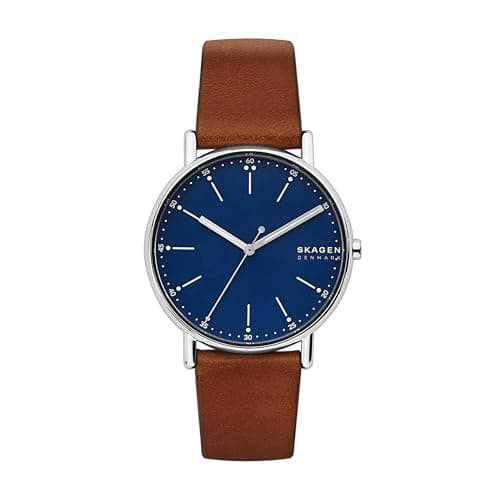
Cheap Watches That Actually Look Expensive
What makes a watch read as expensive is mostly free — a clean dial, a slim case, the right strap. The inexpensive watches that get it right, and the tells that give a cheap watch away.
Our top pick
Skagen Signatur SKW6355
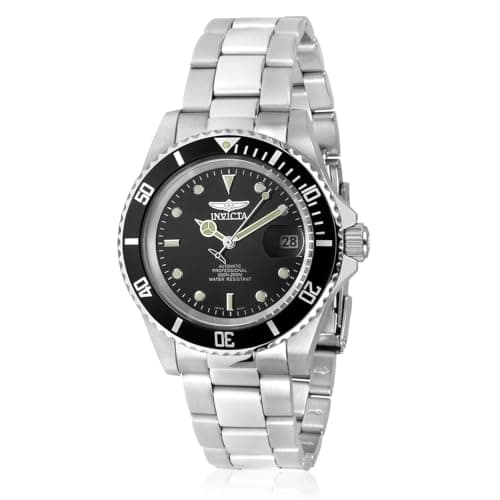
The Best First Automatic Watch to Give
Giving someone their first self-winding mechanical watch — what it will and won't do, what it costs to keep, and the models worth starting on.
Our top pick
Invicta Pro Diver 8926OB
$91.25 · View on AmazonPrice as of October 23, 2026. #ad How we’re funded
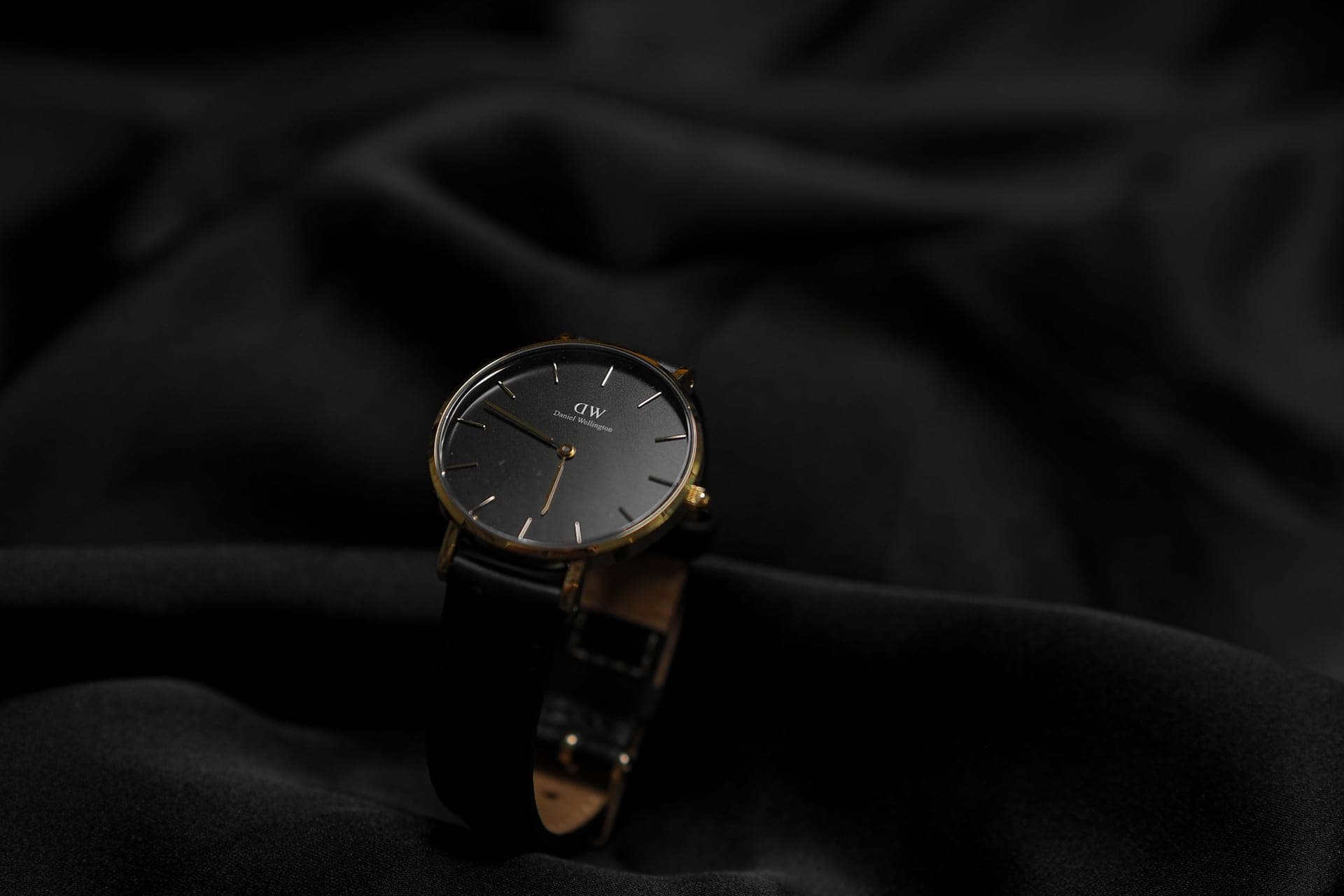
Give a Watch With a Second Strap
The cheapest way to make a watch gift feel bigger: one watch, two straps, two completely different looks. How to pair them without guessing the fitting.
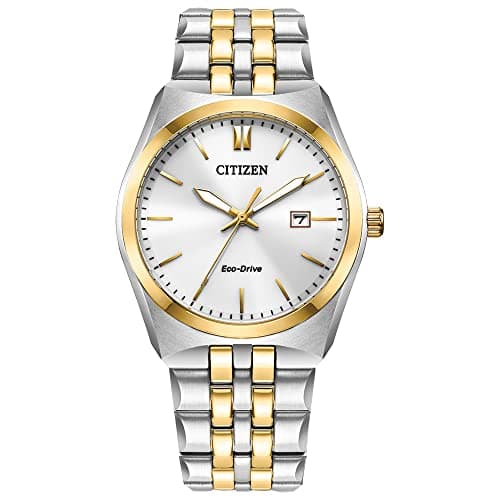
Black Friday & Cyber Monday Watch Deals 2026
What actually discounts in watches and what doesn't — from 47 days of our own price tracking — plus whether to buy now or wait. Real deals get posted here when they go live in November.
Our top pick
Citizen Corso Eco-Drive
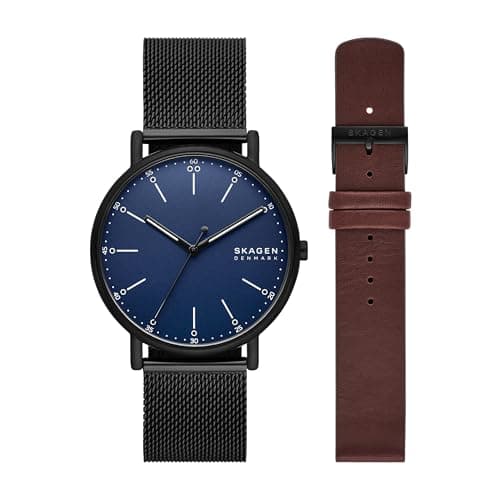
Best Watch Gift Sets
A watch plus a bracelet, a second band or matching jewelry, in one box. Which sets are a genuinely better buy than the watch alone — and which are a cheaper watch with something thrown in.
Our top pick
Skagen Signatur Watch and Strap Set SKW6933SET
$170.00 · View on AmazonPrice as of October 23, 2026. #ad How we’re funded