How these were chosen
Invicta’s catalog runs to thousands of references and a “top 50 Invicta watches” list would be useless to someone buying a present. Four criteria cut it to six, in this order:
- A case a normal person can wear. This is the single biggest filter on this brand. Invicta sells watches from about 30mm to well past 50mm, and a large share of its best-known models are 48mm or bigger. Five of the six picks here are 45mm or under, and the one exception is on this page for a specific reason we give below.
- Currently purchasable, verified before writing. Every watch here was confirmed in stock on the date shown on its card, and every buy link falls back to a live search for the same model rather than a dead product page.
- Published specifications, or nothing.Invicta is unusually good about this: most of its listings publish case diameter and thickness, movement caliber, crystal, band width and water resistance, which is more than several far more prestigious brands manage. Where a listing does not state something — a warranty term, usually — the card says “Not published” instead of filling the gap with a guess.
- One watch per look. Invicta sells the same watch in a dozen finishes. Nothing here is a colorway of anything else here; each pick is a visibly different gift.
What the Swiss name actually means
The brand was founded in 1837 by Raphael Picard in La Chaux-de-Fonds, Switzerland — a real watchmaking town with a real history. That is the heritage the marketing leans on, and it is genuine as far as it goes. What matters for the watch in the box is what happened next: in 1991 the Invicta name was acquired by an American investment group led by Eyal Lalo and repositioned around accessible pricing. The company is headquartered in Hollywood, Florida today, most of its watches run Japanese movements and are assembled in Asia, and only selected models are Swiss-made.
So treat “Swiss since 1837” the way you would treat any heritage line: as history, not as a specification. Every watch on this page is a Japanese-movement watch assembled in Asia, and the listings say so plainly. That is not a criticism — Japanese movements are the reason the prices here look the way they do — but if the person receiving it would care about the difference, the honest place to look is our Swiss-made Tissot picks, where the Swiss claim is about the watch rather than the name.
Size is the thing people get wrong
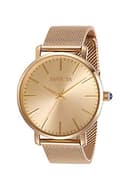
If an Invicta gift goes wrong, this is almost always why. The watches photograph beautifully and the listings are honest about dimensions, but very few buyers check them, and a 48mm case on a seven-inch wrist overhangs visibly. The spread on this page alone runs from a 38mm women’s Angel to a 48mm S1 Rally — that is not a small difference, it is a different watch entirely.
Two minutes with our watch size guide will tell you which end of that range the recipient belongs at. If you cannot measure their wrist and cannot ask, the safe answer on this page is the 39.5mm Speedway: it is the only pick here that suits essentially any adult wrist, which is exactly why it is our chronograph pick rather than the flashier 45mm.
The one that earns the brand its reputation
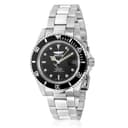
The Pro Diver 8926OB is the reason enthusiasts who otherwise roll their eyes at Invicta will still recommend the brand. It is a genuine self-winding automatic — a Japanese NH35A with 24 jewels, wound by the movement of the wearer’s arm rather than a battery — in a 40mm steel case with an exhibition caseback that shows the mechanism turning. Nothing else at this price offers that combination, and it is a lovely thing for someone who has never owned a mechanical watch to unwrap.
It is also the only watch on this page whose listing publishes a warranty term: three years, limited, with a gift box included. The other five publish none at all, which is worth knowing before you buy rather than after. Keep the receipt either way. If a self-winding movement is the part that appeals, our best automatic watches roundup puts the 8926OB next to the alternatives from brands that specialize in them.
What “Flame Fusion” means, and what it doesn’t
Two picks here list a “Flame Fusion” crystal. That is Invicta’s own trade name, and the company does not publish what the material actually is, so we record the trade name rather than claiming it is mineral glass or sapphire. The rest of the page is mineral crystal, which is the normal glass at this price and is fine for everyday wear: it resists scratches better than plastic and worse than sapphire. Our note on sapphire versus mineral crystal explains what that actually costs you day to day, which is less than the internet suggests.
200m water resistance on a watch this cheap — is that real?
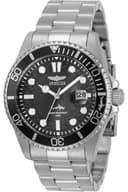
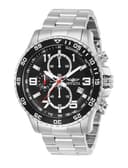
The ratings on these listings are real ratings, but read them with the crown in mind. The Speedway and the automatic Pro Diver are rated to 200m and have screw-down crowns, which is the feature that actually keeps water out; the Pro Diver Quartz is rated to 100m and also screws down. The Specialty is a different proposition: 50m with a push/pull crown, which in practice means handwashing and rain, not swimming. The S1 Rally carries a 100m case rating but comes on a leather strap, and leather is the part that will not enjoy the pool.
None of this means a rating is fake. It means a number on a dial is a laboratory figure, not a promise about your Saturday. Our guide to what water resistance actually means translates each rating into things people really do.
Invicta, or a Seiko at the same price?
This is the comparison the brand always ends up in, and the honest answer depends on one thing: does the recipient want the watch to be noticed? Invicta gives you more visible watch for the money — more presence, more bezel, more dial — and on the automatic Pro Diver it gives you specifications that are genuinely hard to argue with. A Seikoat the same money is a quieter, better-finished object that more people will recognize as a “proper” watch, and it will hold that opinion for decades.
Buy the Invicta for someone who enjoys a watch as an accessory and likes a bit of drama on the wrist. Buy the Seiko for someone who will wear one watch every day for ten years and never think about it again. We put the two head to head in Invicta vs Seiko if you want the long version.
The one to skip — and why
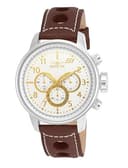
Skip the S1 Rally for anyone whose wrist you have not measured. At 48mm it is on this page for one reason — it is the only leather-strap, non-diver look in the range worth gifting — and on an average wrist it will overhang the bone and look borrowed. Skip the Specialty Chronograph for anyone who swims in their watch, because 50m and a push/pull crown is not that watch. And skip Invicta entirely if what you actually want is a watch the recipient will still be wearing in twenty years, quietly, without ever thinking about it — that is a Seiko or a Citizen Eco-Drive, and pretending otherwise does nobody any favors.